The down-to-earth version
Hi, I’m Jason.
K-pop changed the direction of my life.
I left software engineering, moved to Korea, became a journalist, worked behind the scenes in the K-pop industry, and eventually built Popsori for fans who wanted to go beyond MV views and hype.

An extremely non-linear career
How did a software engineer end up here?
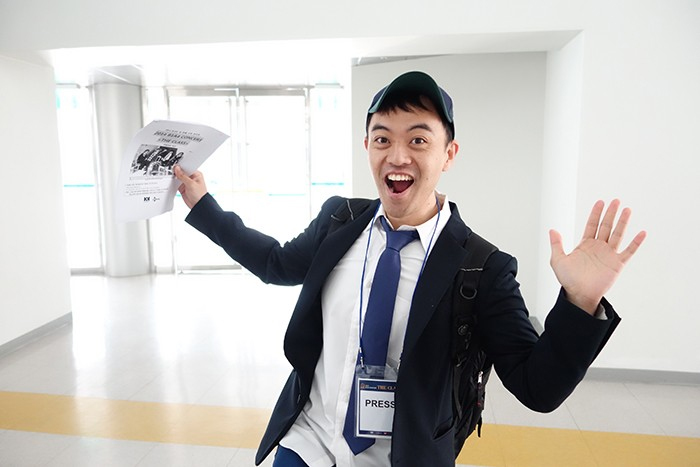
A phone call, a one-way flight, a lot of rejection, and more press badges than any reasonable person should own.
The leap · California to Korea
I left the safe career.
I had a comfortable corporate job as a software engineer in California, but I was far from Korea and even farther from what I actually wanted to do.
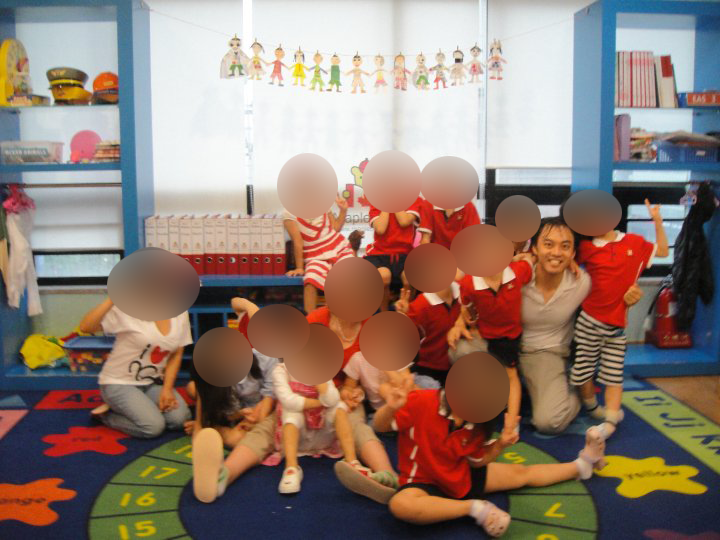
Then a friend called and said, “You should come work in Korea.” After several months of waffling, I listened. Six months later, I was teaching energetic kindergarteners by day and trying to become a journalist by night.
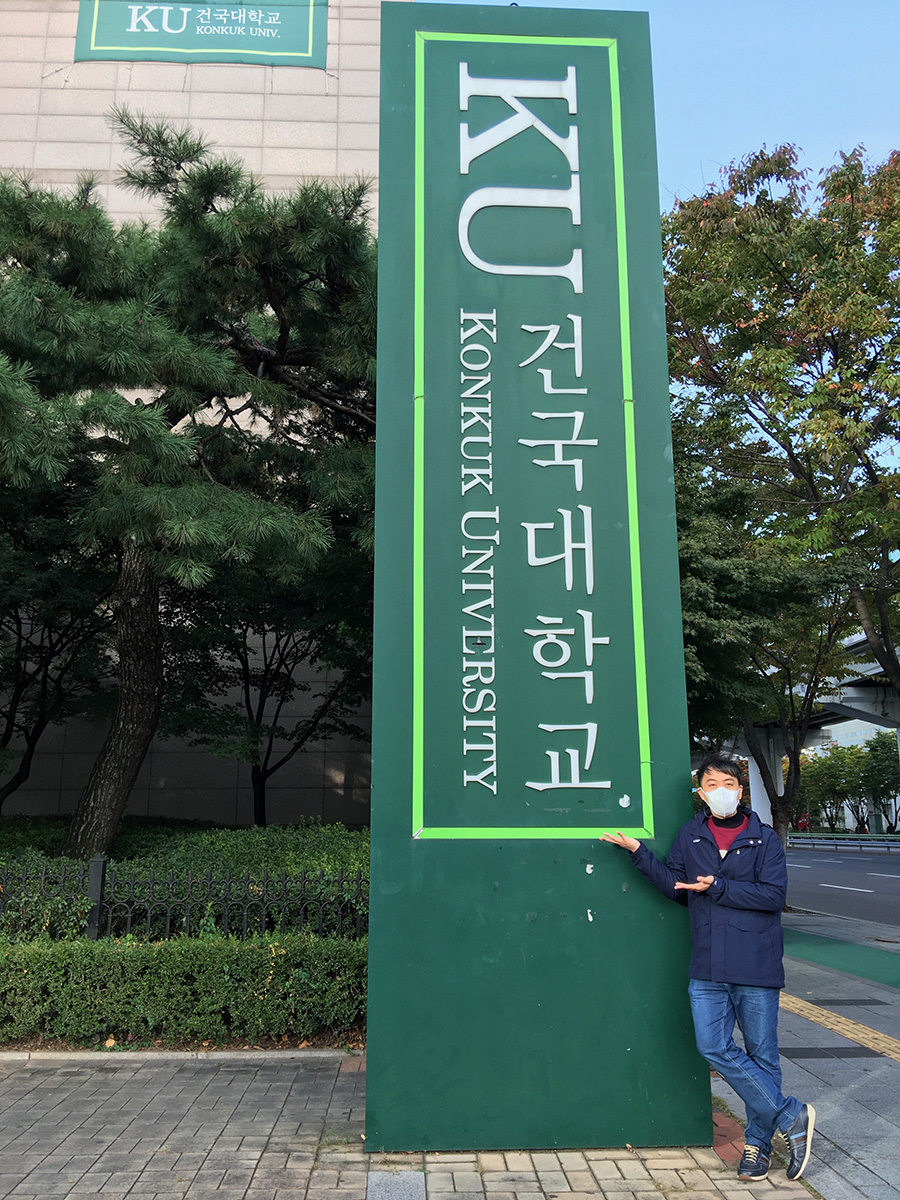
A year later, I moved on to teaching college students at Konkuk University and Sogang University. Those became some of the best years of my life: I improved my Korean, made lifelong friends, and learned what university students were actually listening to—believe it or not, it wasn’t always K-pop.
Teaching also trained me for the career I was chasing after class. Every lecture forced me to organize ideas, explain them clearly, and hold a room’s attention. I didn’t realize it yet, but the classroom was preparing me for interviews, reporting, editing, and eventually the workshops I teach today.
In K-pop terms: “I was a rookie group that hadn’t debuted yet.”
The rookie years · Journalism after dark
I got rejected by pretty much everyone.
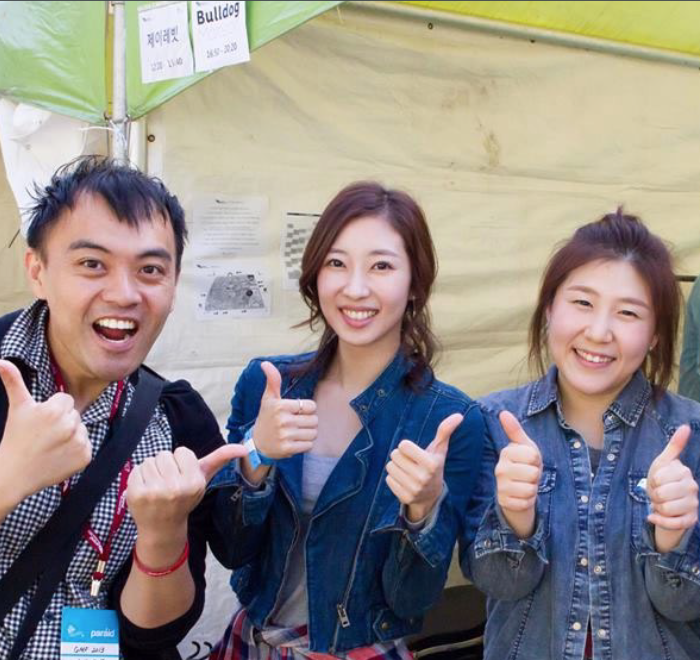
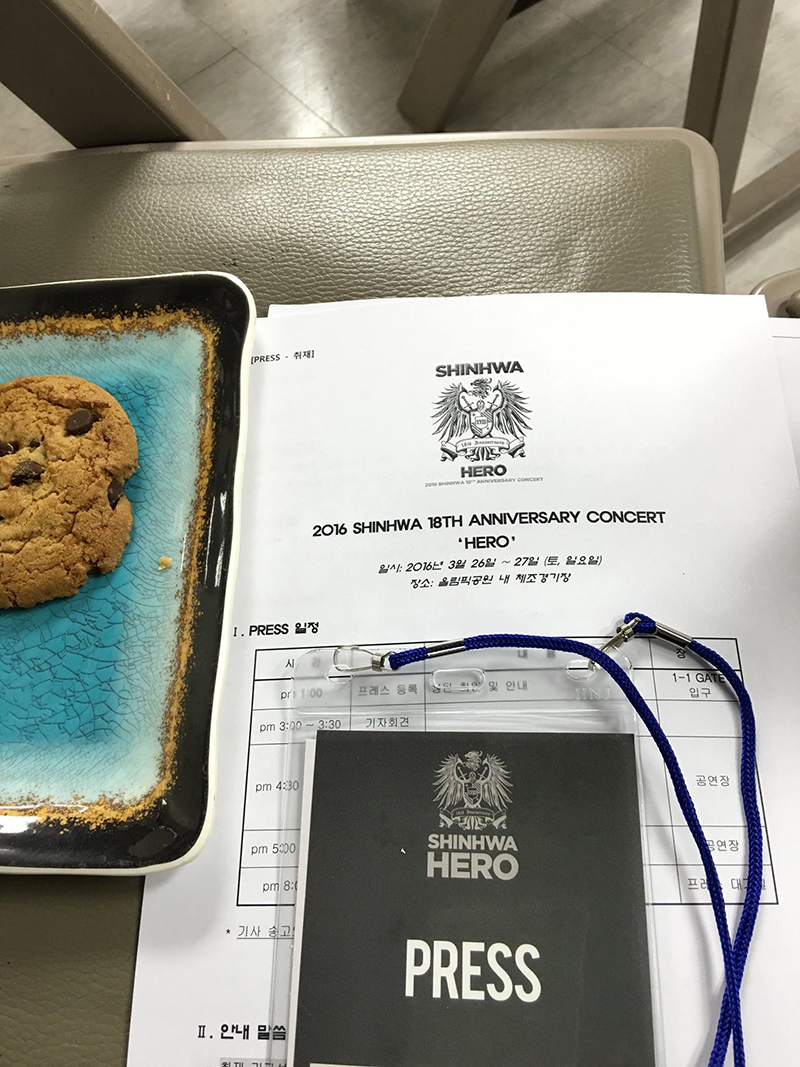
I kept pitching and applying, and the major labels kept saying no, or saying nothing at all. They wanted experienced reporters photographing SNSD and writing polished stories about 2PM. I was a former programmer with no media connections, no established outlet, and shaky Korean.
So, for two and a half years, I covered Korea’s indie and hip-hop scenes instead. I had gone to Korea dreaming about Big Bang and 2NE1; at first, the smaller clubs and independent artists felt like a consolation prize.
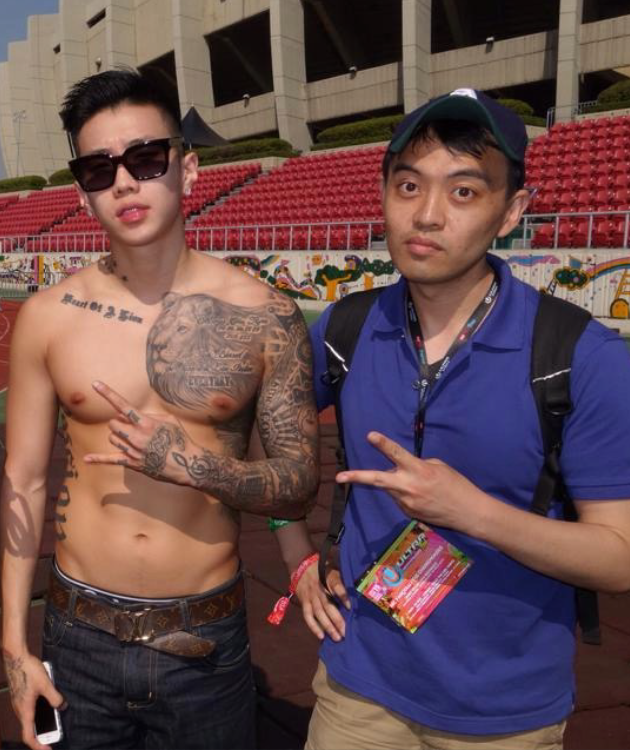
They weren’t. Artists such as J-Rabbit gave me opportunities before the bigger industry did, and those scenes taught me how to listen, build trust, and find stories without a giant promotional machine pointing at them. Korean indie and hip-hop became two of my favorite corners of music. What looked like a detour became the foundation of my career.
Inside K-pop · Media to strategy
Then I crossed to the other side.
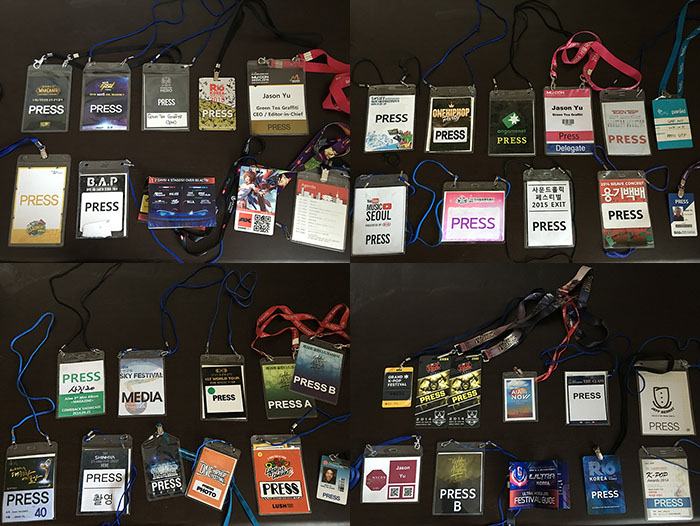
After those indie years, I finally earned a break at a major media company. One opportunity led to another across Yonhap News, The Korea Times, the South China Morning Post, and Korean Air’s MorningCalm magazine. Along the way, I moved from writing and reporting into editing and team leadership, wearing almost every newsroom hat I could find.
The assignments grew far beyond the concerts I once struggled to cover. I reported from the 2014 League of Legends World Championship, covered the Busan International Film Festival, and found myself in rooms with artists and cultural figures I had only known from a distance. Every assignment taught me another part of how media, entertainment, and audiences fit together.
Later, I traded the press badge for a seat inside the industry, now working with major K-pop companies, including JYP Entertainment and HYBE, across data analysis, brand marketing, and business strategy.
Instead of reporting on the decisions labels made, I was now helping provide the research and audience insight behind them. Surreal doesn’t begin to cover it.

Popsori · The thing I wanted to watch
I went back to storytelling. But this time, on camera.
I wanted to explore the business, history, and culture behind K-pop: the topics that don’t always fit into reactions, gossip, or quick headlines.
But I was honestly afraid no one would come. Online K-pop was dominated by reaction videos, gossip, and choreography. Deep-dive, in-depth videos were still unusual. I worried that the stories I cared about would feel too serious, too niche, or too much like homework.
So I built Popsori anyway, from a tiny one-bedroom studio in Seoul. The early growth wasn’t instant, but then people began emailing me, leaving detailed comments, and stopping to talk with me at events. Some shared knowledge that had me taking notes like I was back in college.
Those conversations convinced me that Popsori’s audience was real: fans wanted a place where curiosity and fun could exist together. Then K-pop companies, conventions, event organizers, and agents began reaching out too. Requests expanded from media coverage into workshops, strategy, campaigns, and event support. My small YouTube channel gradually became a business.
A place where we can become smarter K-pop fans without taking away any of the fun.

What Popsori does today
One journey.
Three ways to help.
Popsori grew beyond its YouTube roots, but thoughtful storytelling remains at the center of everything we do.
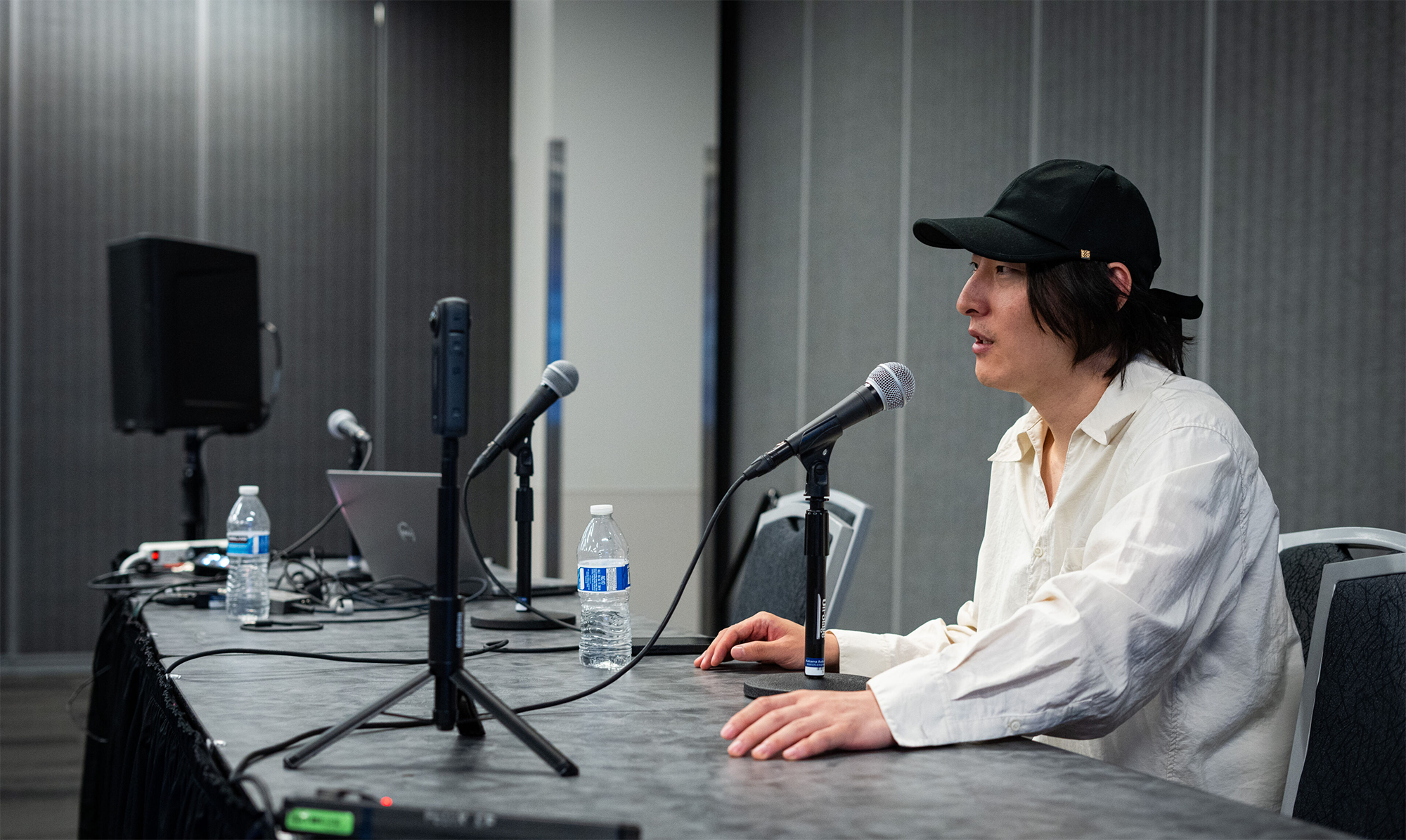
The smarter side of K-pop
We create

Careers with a map
We teach

Strategy fans can feel
We advise
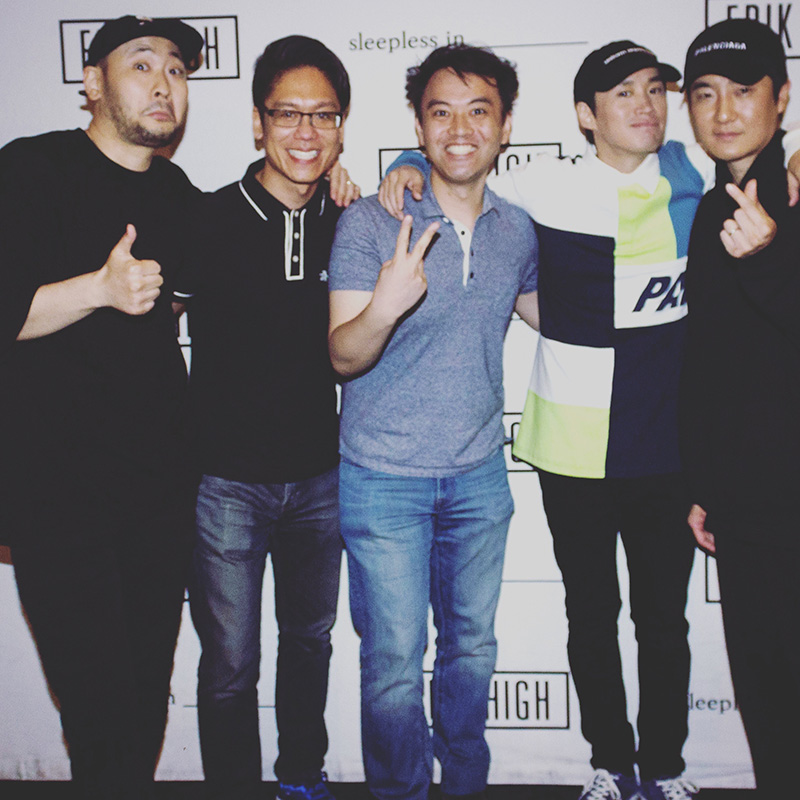
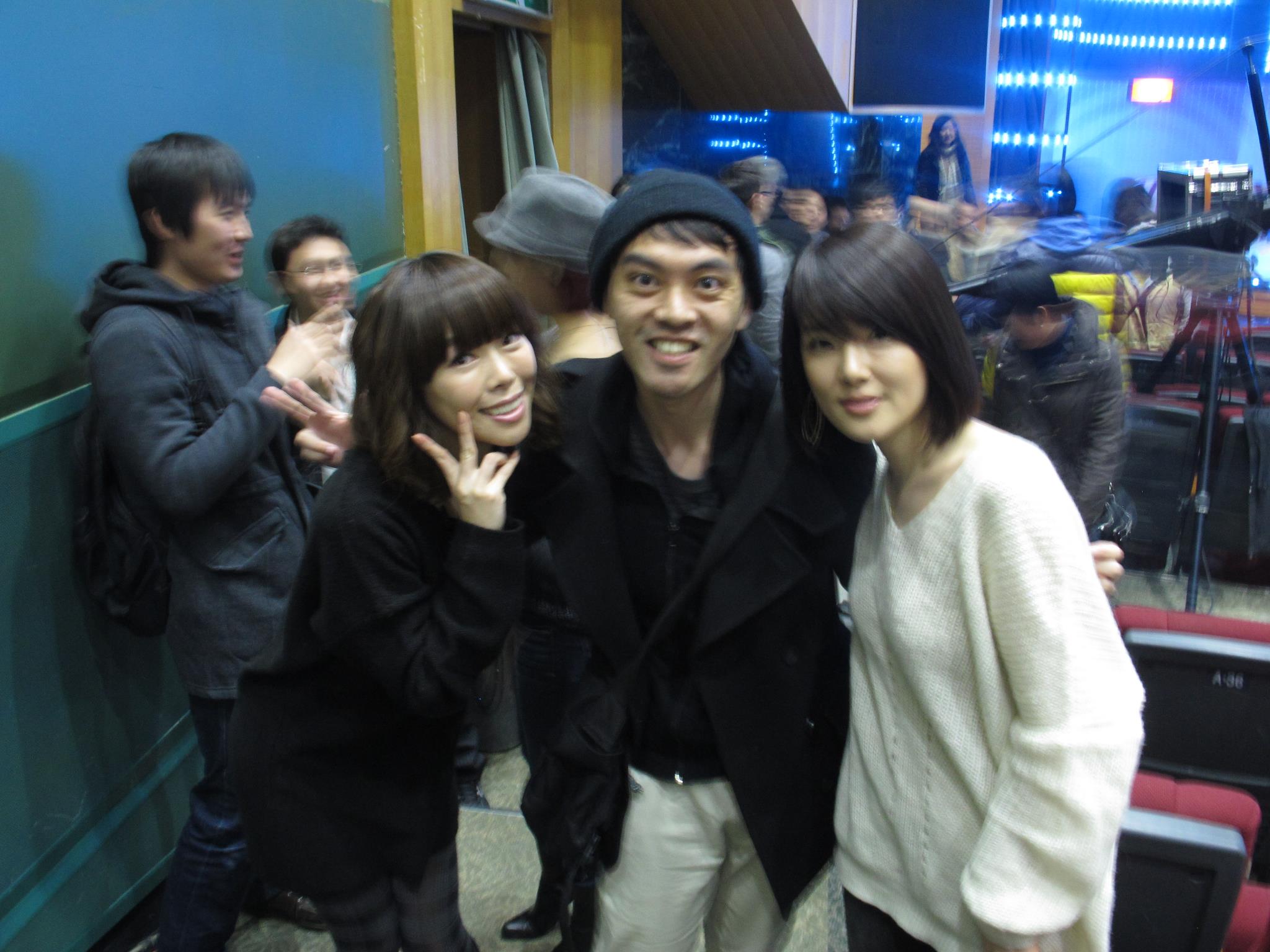
Photos I still can’t believe I have
A few “how is this my life?” moments.



The craziest experience
The night EXO mania melted my eardrums.
This was a 2013 EXO fan meeting in Seoul. The crowd was packed with media and students who had skipped their after-school academies. The nonstop screaming was unlike anything I’d heard before.
It was chaotic, overwhelming, and unforgettable — this was the moment I truly understood that K-pop was becoming something much larger across Korea and Asia.

Now that we’re cool
A few random facts.
Years in Korea
What began as one leap of faith became most of my adult life.
Years in Japan
I grew up there as a teenager and became a third-culture kid.
My K-pop origin
I discovered Korean music by accident while listening to J-pop in Japan.
TOPIK level
My Korean survived. My once-N2 Japanese, unfortunately, needs a reboot.
Gamer at heart
Before K-pop, I thought I’d become a programmer in the games industry.
Daily requirement
Coffee or milk tea. Preferably both. This page is fueled by them.
Still here?
We’re officially
K-pop friends now.
Whether you’re a newcomer, an old-school fan, a future industry professional, or a company trying to understand this wonderfully complicated world, I gotchu!