
By Jason Yu
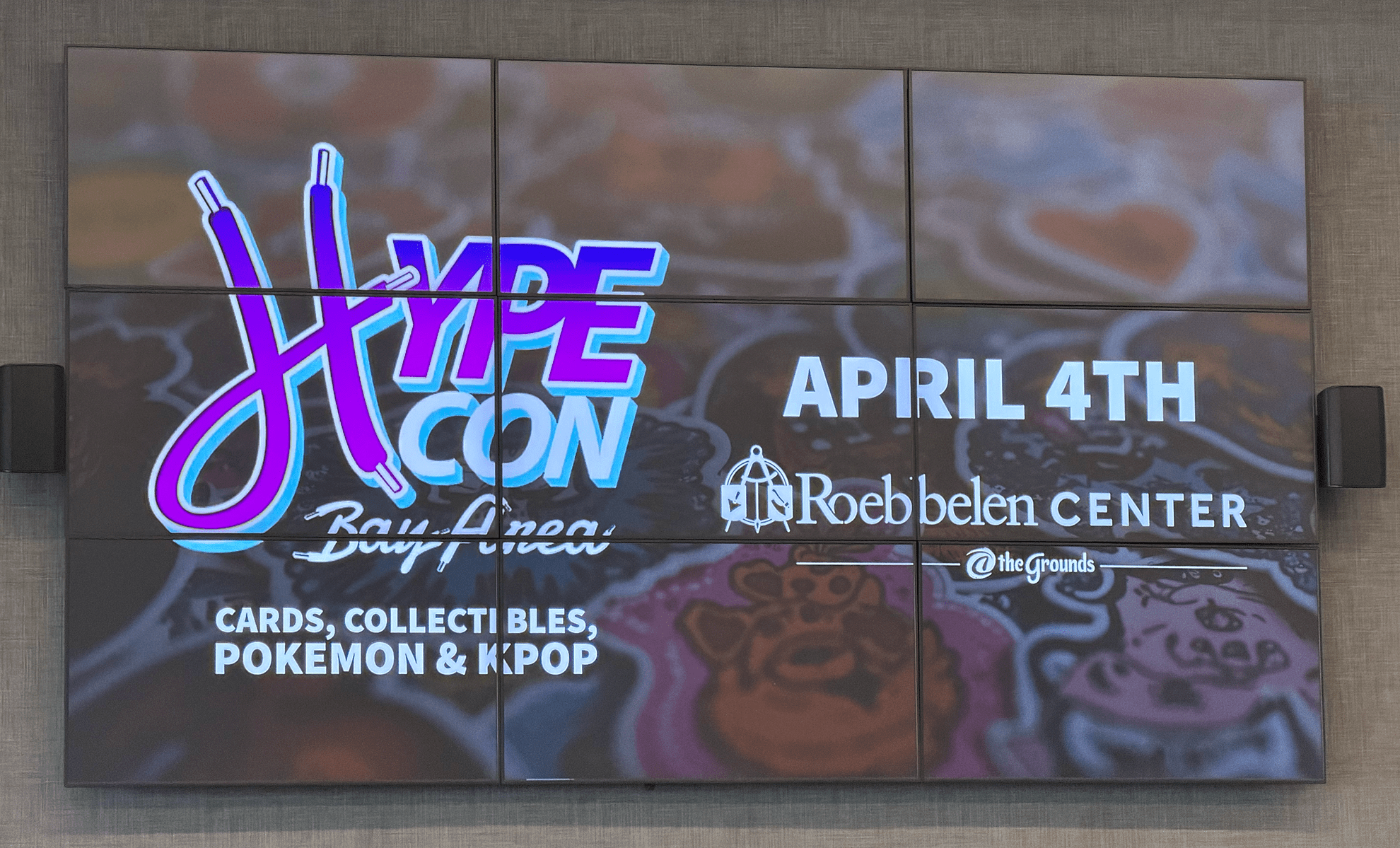
On a hot spring afternoon just outside Sacramento, I pulled into the packed parking lot of Hypecon in Roseville, where finding a spot felt like its own side quest. A parking attendant mentioned that several thousand people were expected to attend the ever-growing pop culture event, which originally started in the Bay Area.
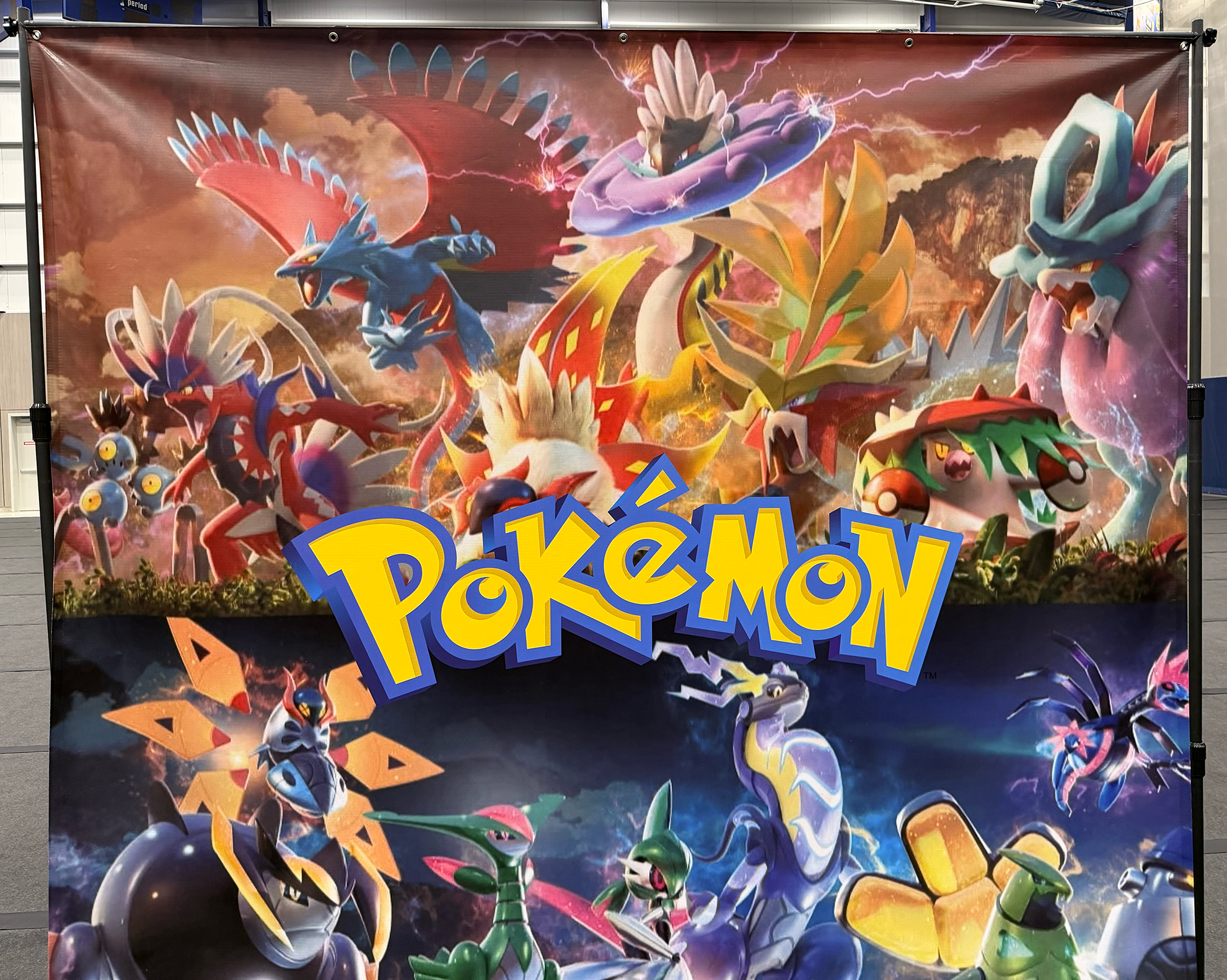
For newcomers, Hypecon is primarily a collectible card convention, where enthusiasts gather to buy, sell, and trade everything from Magic: The Gathering to overwhelmingly Pokémon cards. Honestly, calling it “Pokécon” wouldn’t be far off, given how dominant the franchise is across vendor booths.
But this time, I wasn’t there for the cards.
I came to Hypecon to explore something unexpected: the growing crossover between collectible card culture and K-pop.
At first glance, that combination sounds like it belongs on a very niche bingo card. But Hypecon has been actively introducing more K-pop elements into its programming—most notably through K-pop Random Dance Play (KRPD).
Held in the afternoon, KRPD quickly drew a crowd of K-pop fans from across the Sacramento and Bay Area regions. What stood out, though, was how the audience wasn’t just limited to dedicated fans. Some card traders — clearly curious, and in some cases already familiar — stepped away from their tables to join in, trading decks for dance moves.
Leading the session was DJ Cazu, who curated a set that spanned multiple generations of K-pop. The playlist moved fluidly between newer acts like LE SSERAFIM and recent releases from BTS, before pivoting to third-generation staples like AOA, Red Velvet, and f(x).
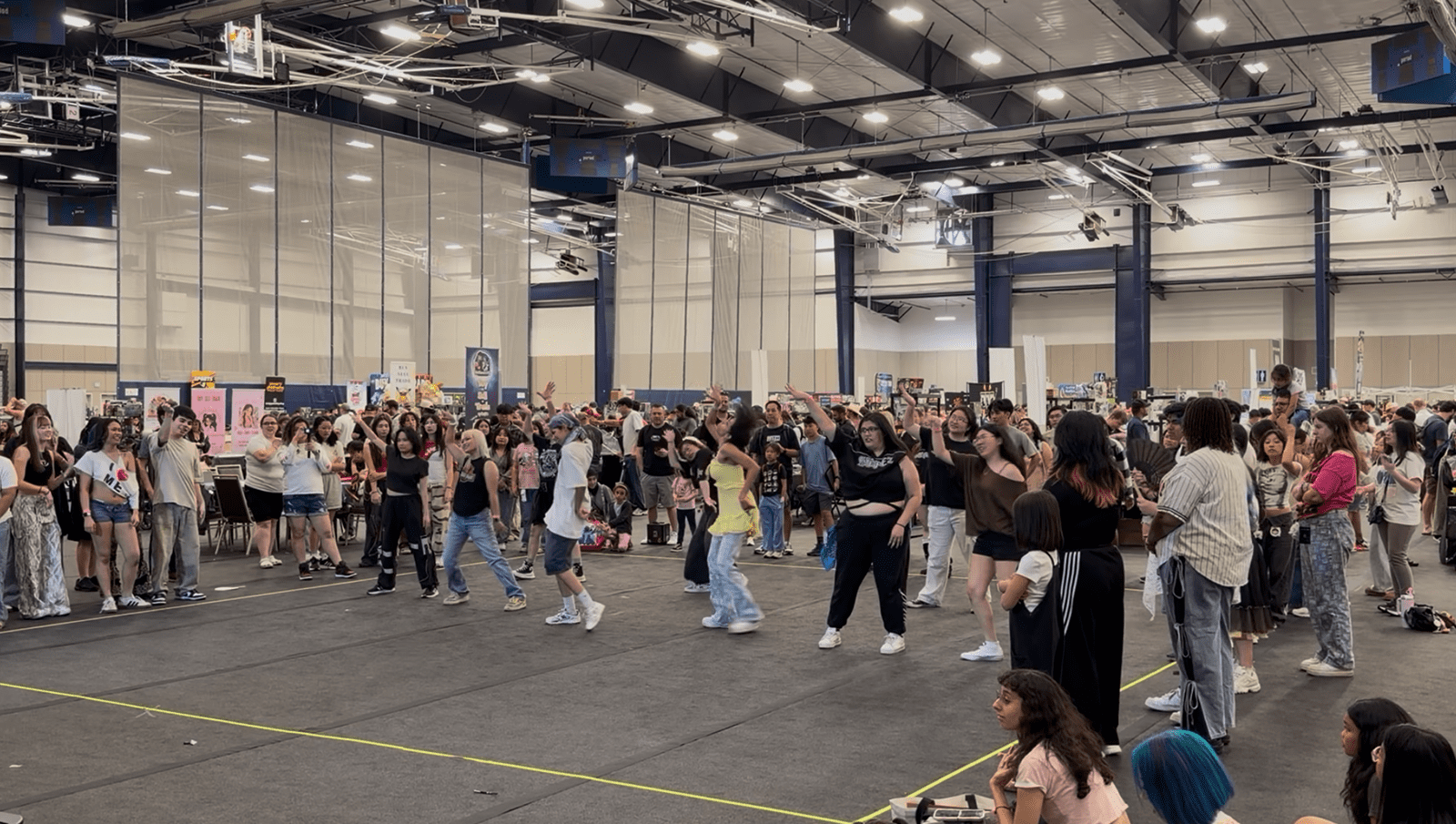
Over the course of nearly an hour, fans danced nonstop, many of them flawlessly performing choreography not just from current hits, but from songs released nearly a decade ago. Some dance sets were choregraphed in such unison that it looked less like random dance play and more like a synchronized dance team. That’s one of the most fascinating aspects of KRPD: it doubles as a real-time snapshot of what songs and groups still resonate with fans in a given region.
And those preferences aren’t universal. Sacramento crowds, for example, can have noticeably different tastes compared to those in the Bay Area or Los Angeles, often influenced by recent comebacks and local fan culture.
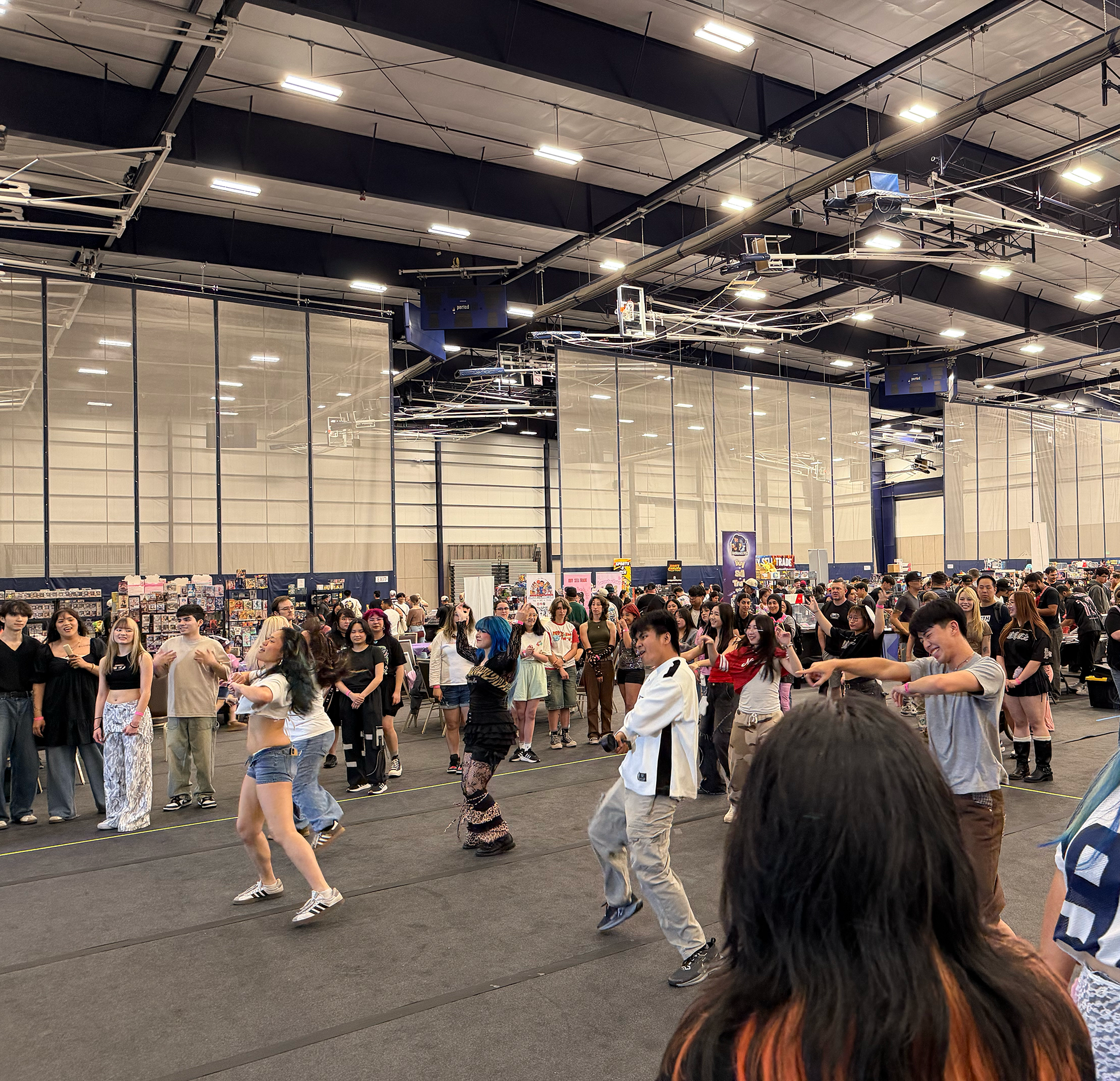
One of the biggest moments came when BTS’s recent track “Swim” played, prompting one of the largest crowd reactions of the session. Alongside BTS, groups like LE SSERAFIM, NewJeans, ENHYPEN, TXT, and Stray Kids consistently drew strong participation throughout the set.
Meanwhile, on the sidelines, card traders watched with a mix of curiosity and admiration—some clearly wondering how participants knew every move, others intrigued enough to step closer and observe.
After the session wrapped, I caught up with a few friends who had participated, and one question stuck with me:
Why is K-pop Random Dance Play showing up everywhere?
From anime conventions like Fanime and Anime Impulse to now card-focused events like Hypecon, KRPD has quietly become a staple of modern pop culture gatherings. It’s no longer confined to K-pop-specific spaces. It’s now integrating into broader fan ecosystems.
And after seeing it firsthand at Hypecon, the crossover didn’t feel strange at all.
It felt inevitable.
——-
A special thanks to Hypecon for inviting us to Roseville Hypecon. Truly apprecative and honored to attend.